Finding the Diverse Makes Use Of and Enters of Rubber Keypads in the Technology Landscape Today
Rubber keypads have actually established themselves as crucial components in different technological applications. Their versatility makes them appropriate for consumer electronics, industrial machines, and clinical tools. As these keypads proceed to evolve, new modification alternatives and design trends emerge. This triggers a closer assessment of their advantages and making processes. Comprehending these elements might reveal why rubber keypads stay a preferred selection in the technology landscape. What exists ahead for this functional element?
Introduction of Rubber Keypads
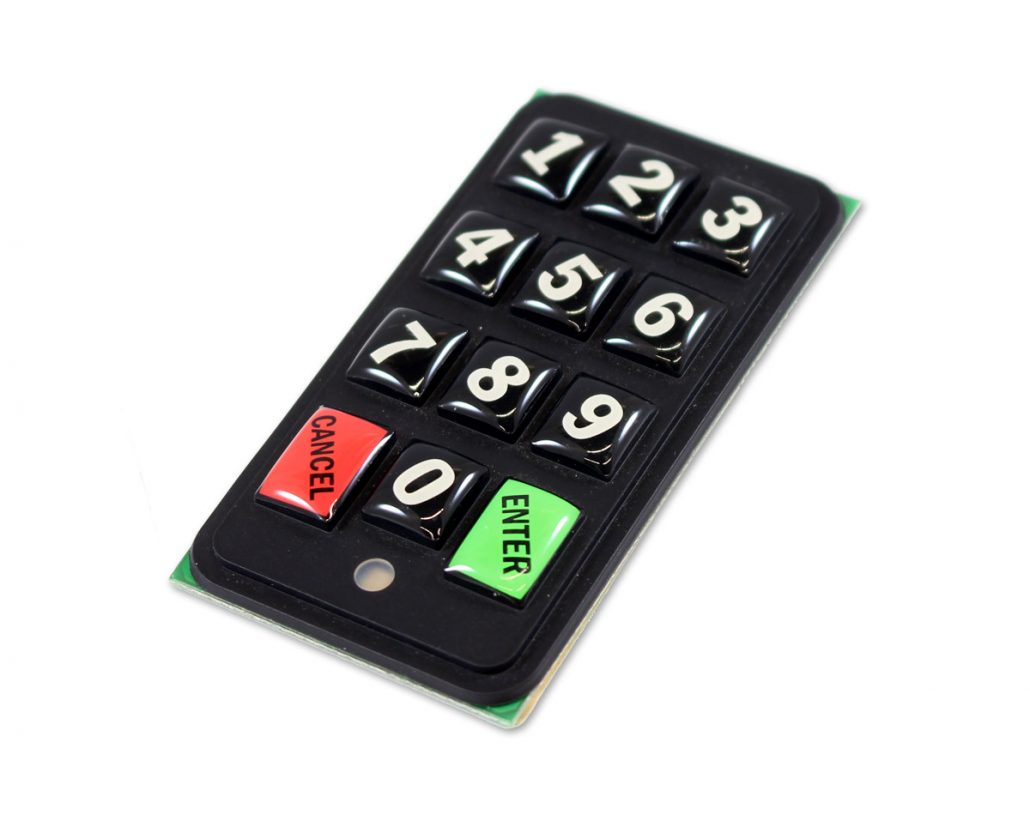
Rubber keypads function as an essential element in different digital gadgets, providing a responsive user interface for customer communication. These keypads are normally made from silicone or rubber materials, which give adaptability and longevity. Their layout frequently integrates elevated letters or icons, improving use by enabling users to really feel the keys - Rubber Keypads. Rubber keypads are immune to dirt, wetness, and use, making them suitable for requiring settings
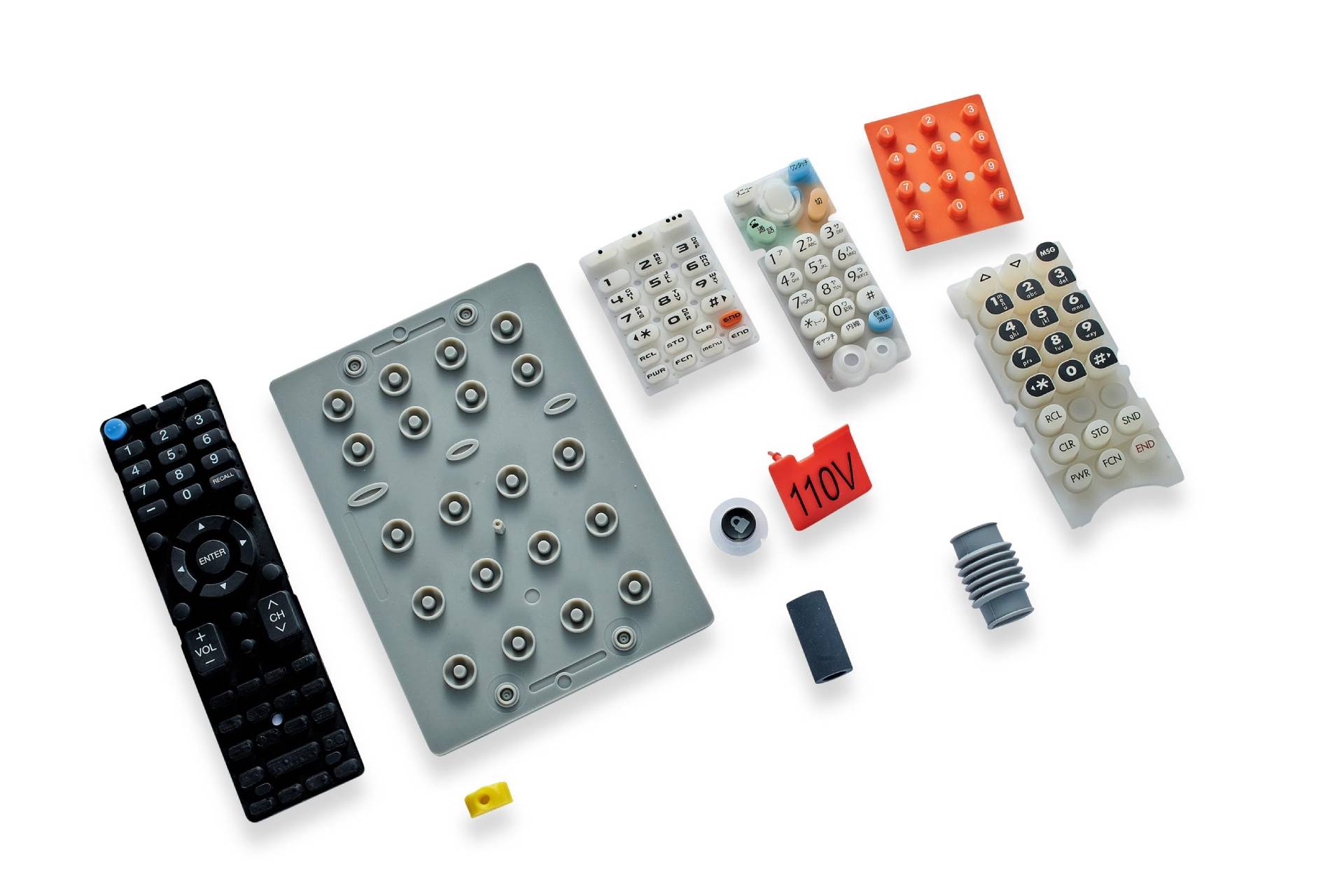
They can be customized pertaining to color, size, and shape, permitting makers to create special interfaces customized to details products. The production process typically involves methods such as molding and printing, making sure high-quality output. As an outcome, rubber keypads not just boost capability yet likewise add to the general appearances of the device. With these qualities, rubber keypads remain a preferred selection for both customers and manufacturers, stressing their importance in the innovation landscape.
Typical Applications in Customer Electronics
While many electronic gadgets depend on touchscreens for user communication, rubber keypads continue to play an essential function in customer electronic devices. These keypads are widely used in gadgets such as remotes, video gaming controllers, and home appliances, where tactile comments enhances individual experience. Their sturdiness and resistance to put on make them ideal for devices frequently subjected to heavy use.
Rubber keypads are also preferred in smart phones and portable gizmos, where compact designs demand dependable and responsive input approaches. The capability to customize the form and structure of rubber keypads allows producers to produce unique layouts that appeal to consumers. Additionally, the soft touch of rubber gives convenience throughout prolonged use, making these keypads a preferred selection for devices needing extensive interaction. On the whole, rubber keypads remain an important part in the customer electronics landscape, combining performance with straightforward features.
Duty in Industrial and Medical Devices
Rubber keypads play an important duty in both clinical and industrial tools, offering durability and reliability in demanding settings. In industrial settings, they are often utilized in control panels and equipment, improving driver interaction with complicated systems. In the clinical area, rubber keypads facilitate easy to use user interfaces for gadgets that call for accuracy and hygiene.
Industrial Devices Applications
Keypads play a crucial function in the functionality and individual experience of commercial and medical devices. In industrial settings, rubber keypads give a durable user interface for equipment and control systems, permitting drivers to quickly input commands and adjust settings. Their resistance to dust, wetness, and chemicals warranties dependability under harsh problems typical of factories and manufacturing plants. Furthermore, the tactile feedback offered by rubber keypads boosts customer interaction, lowering the possibility of input errors. In enhancement to conventional equipment, these keypads are important in automated systems and robotics, where accuracy is critical. The flexibility of rubber keypads in numerous commercial applications emphasizes their value in improving operational performance and guaranteeing safety and security in intricate environments.
Medical Tool Assimilation
As medical devices progressively call for easy to use interfaces, the integration of rubber keypads has actually ended up being important in making certain effective communication in between healthcare specialists and equipment. These keypads provide responsive feedback, promoting user-friendly procedure also in high-pressure settings. Their sturdiness and resistance to severe cleaning agents make them optimal for clinical settings, where hygiene and long life are critical. In addition, rubber keypads can be tailored to consist of various forms, dimensions, and colors, improving aesthetic recognition and ease of access for individuals. This adaptability permits the development of specialized controls tailored to details medical functions, improving total effectiveness. Consequently, the role of rubber keypads in medical gadget integration not only enhances capability however additionally advertises individual safety and security and operational integrity in health care environments.
Personalization Options and Style Trends

Recent style fads emphasize minimalism and ergonomics, focusing on individual convenience and intuitive communication. Custom logo designs and branding can be integrated right into keypads, allowing business to keep a natural brand identification throughout their items. In addition, innovations in producing strategies, such as silicone molding, have made it less complicated to accomplish complex designs and personalized layouts.
Advantages of Rubber Keypads Over Other Types
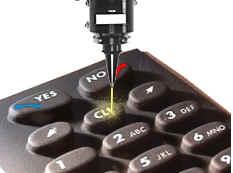
Rubber keypads are also understood for their sturdiness and resistance to environmental elements. They Find Out More can endure temperature, moisture, and dirt fluctuations, making them excellent for commercial or outdoor settings. Additionally, rubber keypads are usually quieter than their plastic or metal counterparts, decreasing environmental pollution in common settings.
Additionally, the cost-effectiveness of rubber keypads makes them an appealing alternative for makers. Their light-weight nature contributes to decrease shipping prices, while their adjustable styles accommodate details branding requirements. Overall, rubber keypads represent a flexible and reputable option in the modern technology landscape.
Manufacturing Techniques for Top Quality and Resilience
In the production of rubber keypads, the selection of proper products and molding procedures plays a vital function in establishing total quality and sturdiness. Different molding methods, such as compression and injection molding, substantially affect the end product's efficiency. Comprehending these variables is essential for achieving excellent lead to rubber keypad manufacturing.
Molding Processes Described
A selection of molding processes play a crucial role in the manufacturing of rubber keypads, ensuring both quality and toughness. The most usual techniques consist of compression molding, transfer molding, and shot molding. Compression molding involves placing rubber in a warmed mold and mildew, where warmth and stress shape it right into the preferred form. Transfer molding allows for even more precise control over material flow and is suitable for intricate styles (Rubber Keypads). Shot molding, recognized for its speed and effectiveness, injects liquified rubber right into a mold and mildew under high pressure, producing high-volume parts with consistent top quality. Each technique uses distinct benefits, influencing aspects such as manufacturing price, design, and rate versatility, eventually impacting the efficiency and life-span of rubber keypads in various applications
Product Selection Relevance
Product choice plays an important role in the manufacturing of rubber keypads, straight influencing their efficiency and sturdiness. The choice of rubber substances, such as silicone or polyurethane, influences tactile responses, resistance to use, and environmental sturdiness. Premium products ensure that keypads can hold up against substantial use, preserving their functionality over time. Additionally, the solution of rubber influences its resistance to temperature level fluctuations and exposure to chemicals, which are vital for devices in various environments. Using sophisticated manufacturing methods, such as compression or injection molding, additional enhances the architectural honesty of keypads. Eventually, mindful product choice and production procedures contribute significantly to the overall quality, longevity, and individual contentment of rubber keypads in today's innovation landscape.
Future Patterns in Rubber Keypad Technology
As modern technology proceeds to evolve, the future of rubber keypad development appears encouraging, with developments poised to boost this contact form functionality and user experience. One remarkable pattern is the combination of touch-sensitive innovation, making it possible for capacitive feedback that resembles the feel of traditional buttons while offering boosted responsiveness. In addition, the development of antimicrobial products is most likely to obtain traction, resolving health problems in common and public devices.
Modification choices are expected to increase, permitting users to personalize vital designs and tactile responses, therefore catering to varied needs. The unification of smart modern technology, such as connection attributes, may additionally arise, enabling rubber keypads to communicate with other devices effortlessly. As producers concentrate on sustainability, eco-friendly products are prepared for to come to be much more prevalent, lining up with global ecological goals. In general, these patterns promise to revolutionize rubber keypads, making them extra versatile, easy to use, and ecologically mindful in the innovation landscape.
Regularly Asked Questions
Just How Do Rubber Keypads Compare in Expense to Other Keypad Kinds?
Rubber keypads usually supply an affordable solution compared to other keypad types, such as membrane layer or mechanical alternatives. Their reduced production costs and toughness make them an appealing selection for numerous applications in modern technology.
What Are the Environmental Effects of Rubber Keypad Manufacturing?
The environmental effects of rubber keypad manufacturing include resource depletion, energy intake, and contamination from making processes. Additionally, inappropriate disposal can cause plastic waste, adding to ecological deterioration and damaging environments otherwise managed sensibly.
Can Rubber Keypads Be Made Use Of Outdoors?
Rubber keypads can be made use of outdoors due to their toughness and resistance to weather aspects. Nevertheless, their durability might rely on the top quality of products utilized and the specific ecological conditions they are exposed to.
What Maintenance Is Needed for Rubber Keypads?
Rubber keypads call for normal cleaning to get rid of dirt and debris, regular inspection for wear and tear, and defense from severe temperature levels. Making certain appropriate storage space problems can prolong their life-span and preserve functionality with time.
How Do Rubber Keypads Perform in Extreme Temperatures?
Rubber keypads typically maintain performance in severe temperatures, exhibiting strength to both heat and cold. Nonetheless, prolonged exposure might trigger product degradation, impacting their tactile action and overall efficiency in extreme atmospheres.
Rubber keypads serve as a basic part in numerous electronic gadgets, using a responsive interface for user communication. While lots of electronic devices depend on touchscreens for user interaction, rubber keypads continue to play an important duty in consumer electronics. Furthermore, the soft touch of rubber provides comfort throughout extended use, making these keypads a recommended selection for tools requiring prolonged interaction. In spite of the growing range of keypad products offered, rubber keypads offer distinctive benefits that make them a recommended choice in lots of applications. Rubber keypads normally supply an economical service contrasted to other keypad types, such as membrane or mechanical alternatives.
Comments on “Why silicone rubber is the material of choice for most Rubber Keypads”